Research line

Structural Bioinformatics

The Structural Bioinformatics research unit develops computational approaches to investigate how protein structure, dynamics, and molecular interactions contribute to biological function and disease. Our research combines molecular simulations, structure prediction, variant modeling, and structure-based drug discovery to connect genetic variation with molecular mechanisms. By integrating structural analyses with genomic and experimental evidence, we support variant interpretation, target characterization, and research into therapeutic response in rare diseases and cancer.

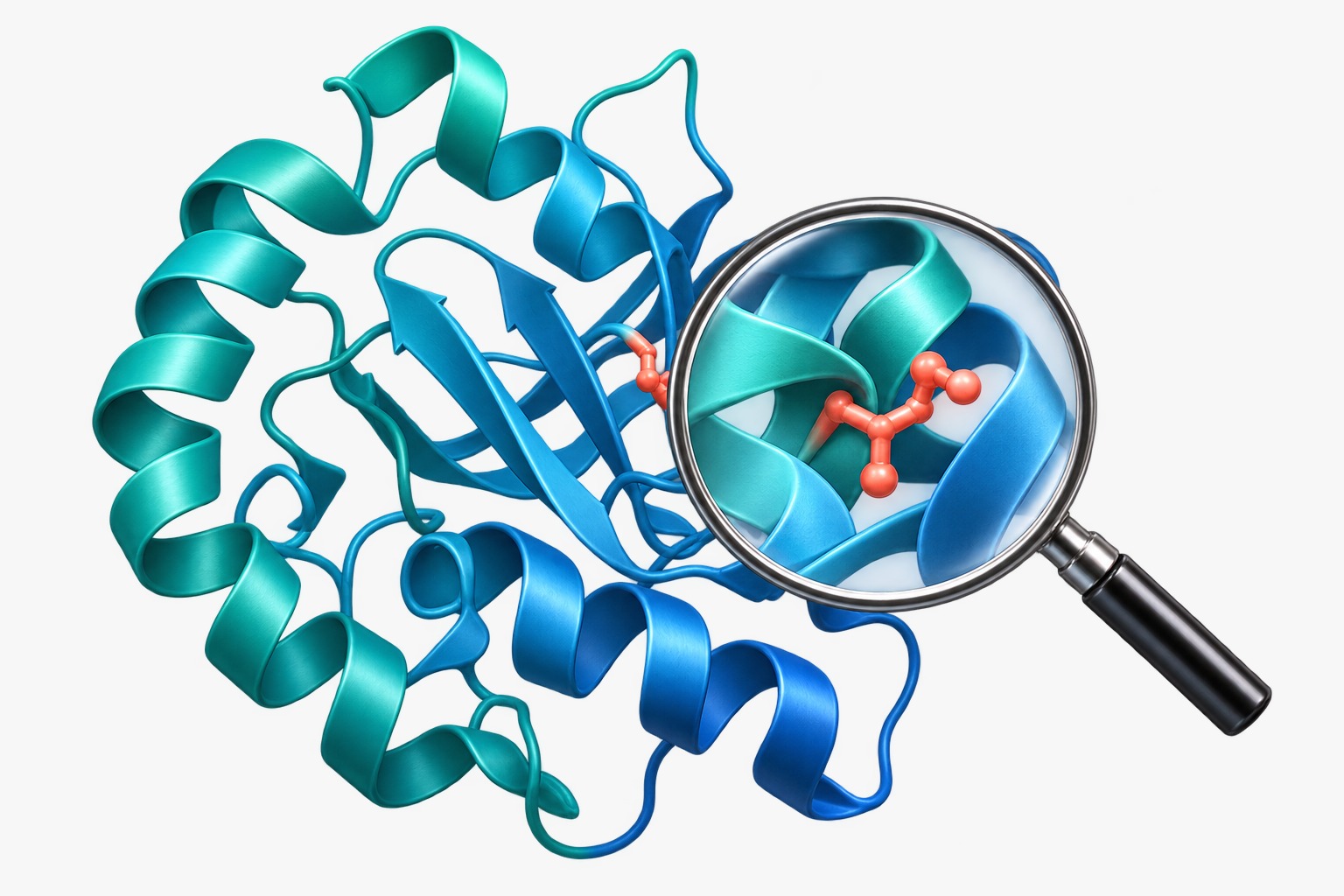
Protein structure with a magnifying glass on a variant residue 01

Protein Structure & Variant Interpretation

Our structural bioinformatics activities focus on the interpretation of genetic variation in the three-dimensional context of proteins and molecular complexes. We combine experimentally determined structures with computational structure prediction and variant modeling to investigate the potential effects of sequence changes on protein stability, functional sites, and interaction interfaces, with applications in rare diseases and cancer.

Additional activities include the modeling of protein complexes and the analysis of protein interaction networks to connect structural changes with broader biological mechanisms. Structural evidence is integrated with sequence conservation, functional annotation, and available genomic and experimental data to support variant prioritization, genotype-phenotype studies, and the selection of hypotheses for functional validation.
  • Structure prediction
  • Variant modeling
  • Protein complexes & networks
  • Rare diseases & cancer
  • Variant interpretation
  • Genotype-phenotype relationships
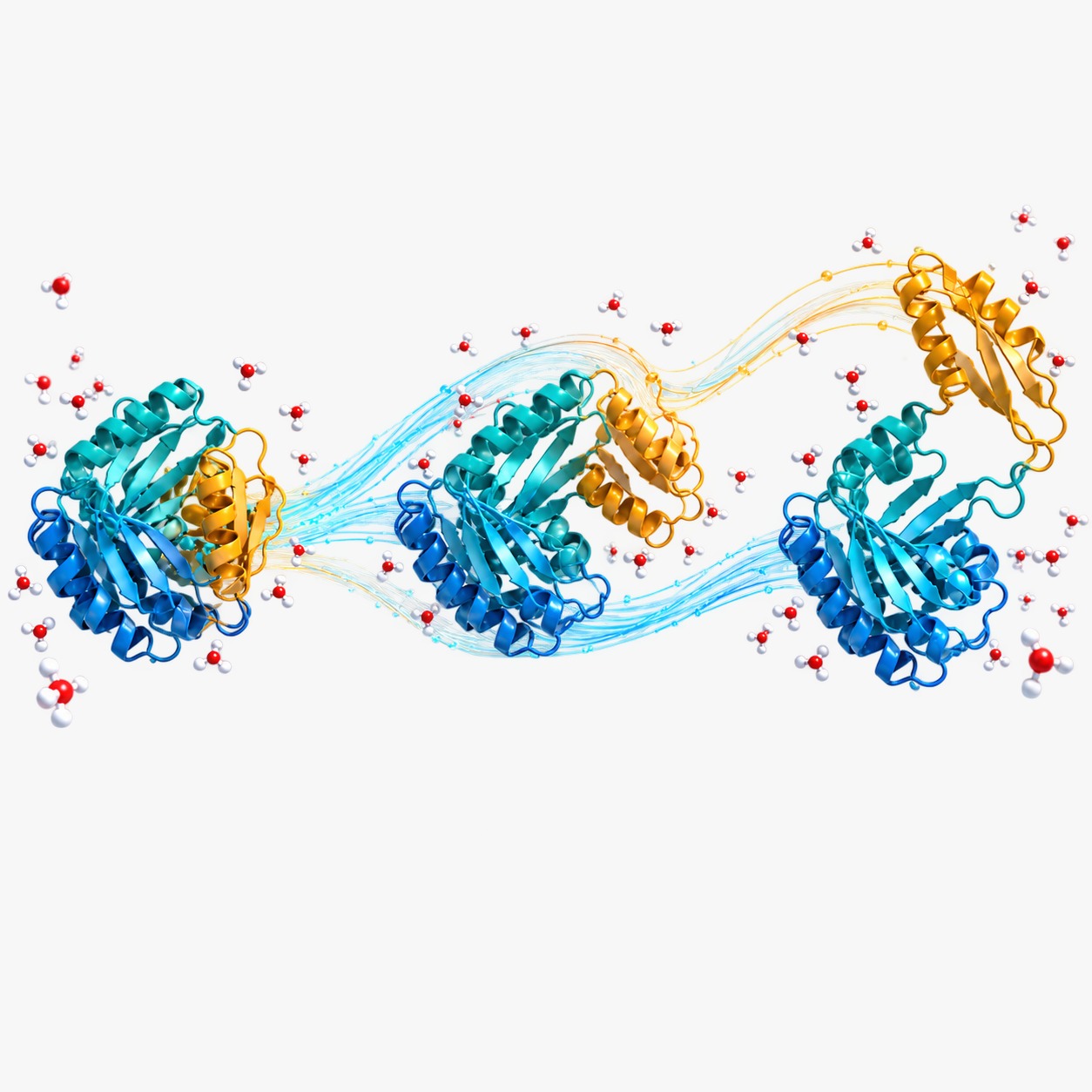
Protein conformations sampled along a molecular dynamics trajectory in water 02

Molecular Dynamics

Our molecular dynamics research investigates how disease-associated variants alter protein stability, conformational flexibility, and molecular interactions. We perform all-atom simulations of proteins and protein complexes, comparing reference and variant systems to characterize changes in local structure, collective motions, interaction interfaces, and conformational states. These analyses help identify molecular mechanisms that may contribute to altered function and pathogenicity.

We also develop computational methods for comparing and synchronizing molecular dynamics trajectories, including NetMD, to investigate similarities and differences between simulated systems. Analyses of conformational ensembles, interaction networks, and free-energy landscapes complement these approaches, supporting the formulation of mechanistic hypotheses and the interpretation of experimental observations.

  • Disease-associated variants
  • All-atom simulations
  • Conformational ensembles
  • Protein interactions
  • Trajectory comparison · NetMD
  • Free-energy landscapes
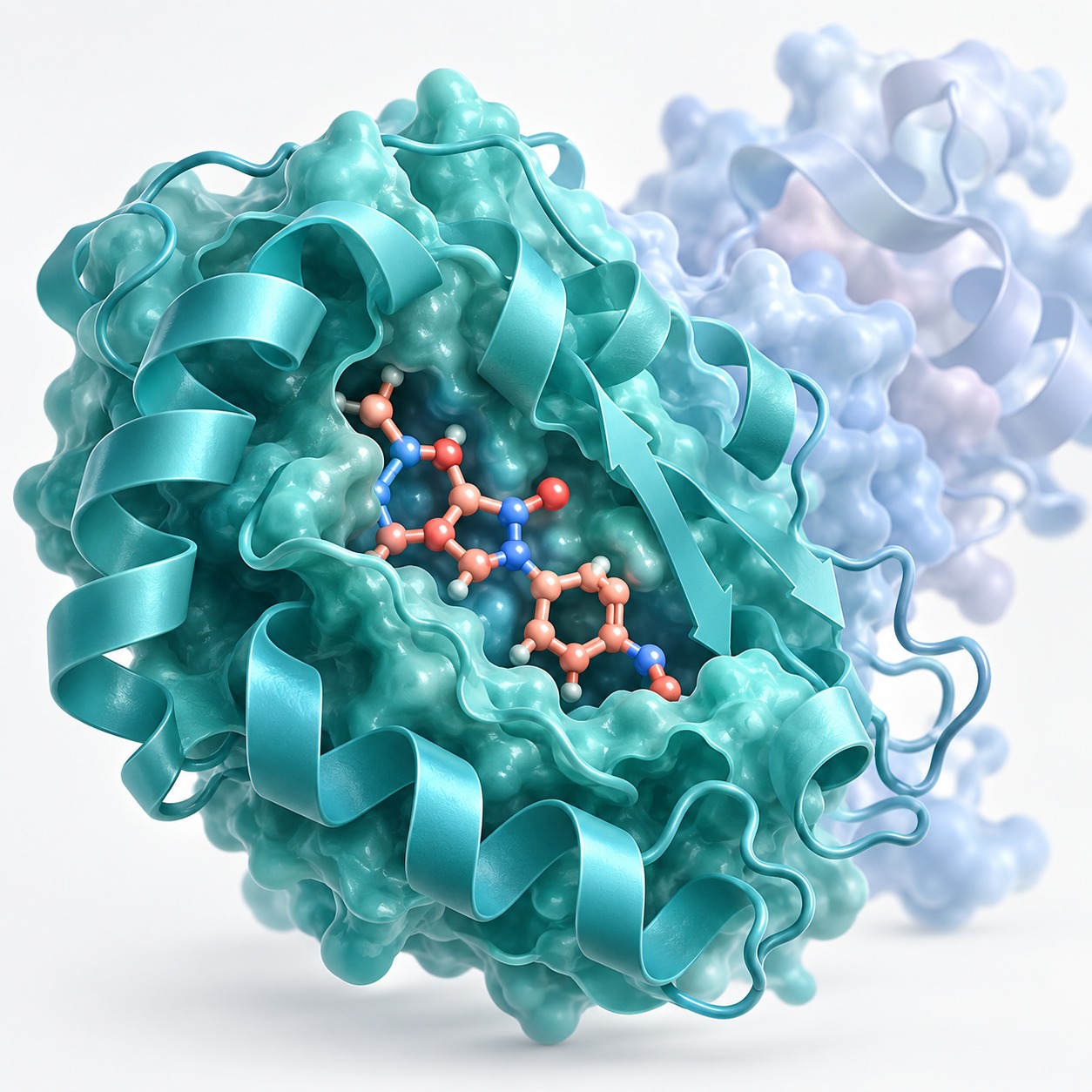
A small-molecule ligand bound in a protein binding pocket 03

Drug Discovery & Therapeutic Design

Our drug discovery research uses structure-based computational approaches to investigate molecular targets and their interactions with potential therapeutic compounds. We combine binding-site characterization, molecular docking, and molecular dynamics to study ligand recognition and assess how protein flexibility influences the accessibility and properties of drug-binding pockets.

We investigate how disease-associated mutations and gene fusions reshape target structure and drug interactions, potentially contributing to altered sensitivity or resistance. Analyses across conformational ensembles help characterize transient and cryptic binding sites. We also apply structural modeling to the design and optimization of therapeutic molecules, investigating how molecular architecture and interaction interfaces influence target recognition and binding specificity. These approaches support the prioritization of candidates and therapeutic hypotheses for experimental evaluation.

  • Structure-based drug discovery
  • Binding-site characterization
  • Molecular docking
  • Dynamic & cryptic pockets
  • Drug sensitivity & resistance
  • Therapeutic design & optimization

← Back to research lines